

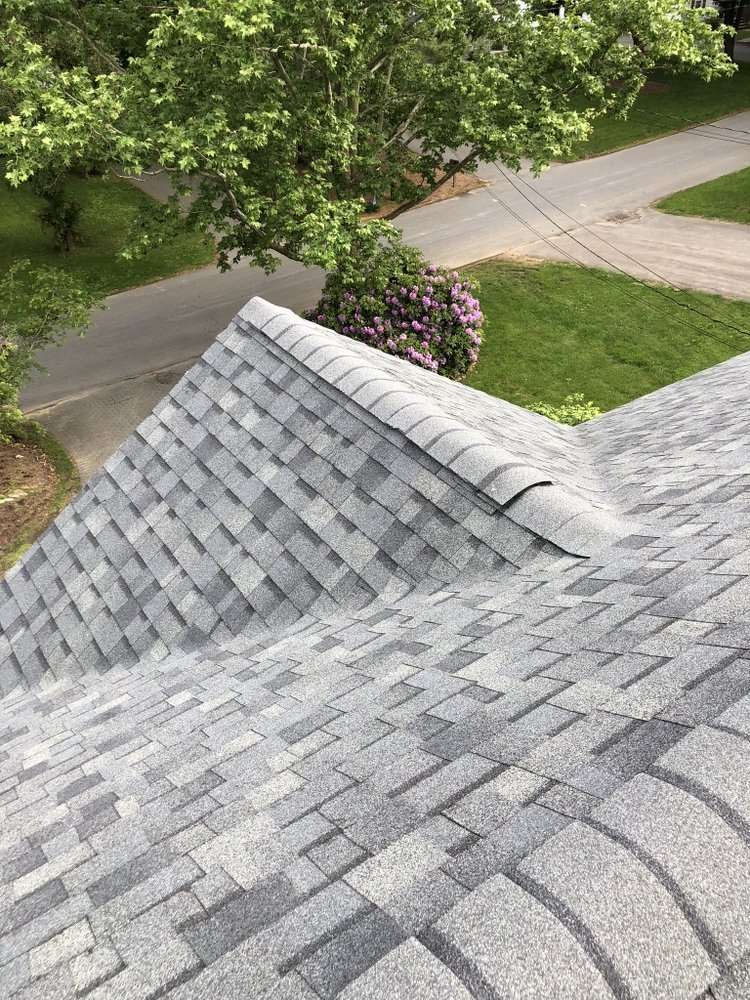
Your roof works every day, and in Massachusetts it works hard: summer heat, falling leaves, nor'easters and months of snow and ice. The good news is that most expensive roof problems start small. A lifted shingle, a clogged gutter or a gap in the flashing is a quick fix when you catch it early, and a ceiling repair when you don't.
This is the routine we recommend to our clients.
1. Look at your roof twice a year, and after big storms
Spring and fall are the right moments for a careful look. You don't need to climb anything: walk around the house with a pair of binoculars and check for:
- Missing, cracked or curling shingles
- Shingles that look lifted along the edges after high winds
- Damaged or loose flashing around chimneys, vents and skylights
- A ridge or roof line that no longer looks straight
Do the same walk after a nor'easter or any storm with strong wind. Leave climbing to professionals: wet or icy roofs are dangerous, and walking on shingles can damage them.
2. Keep gutters and downspouts clear
Clogged gutters hold water against the roof edge, where it can back up under the shingles and rot the fascia. In winter, that standing water also feeds ice dams. Clean your gutters at least twice a year: in late fall, after the leaves have dropped, and again in spring. Make sure downspouts carry water well away from the foundation.
3. Stay ahead of ice dams
Ice dams are one of the most common roof problems in New England. They form when heat escaping from the house melts snow on the upper part of the roof. The water runs down and refreezes at the colder edge, building a ridge of ice that traps the next round of meltwater. That water can work its way under the shingles and into walls and ceilings.
- Keep the roof deck cold. Good attic insulation and ventilation, and sealing the air leaks between the house and the attic, are the long-term fix.
- Clear heavy snow from the edges. After a big storm, a roof rake used from the ground removes the snow that feeds ice dams.
- Never chip at ice with a shovel or hammer. It damages shingles. If an ice dam is already leaking, call a professional.
4. Check the attic
Some of the best roof inspections happen from the inside. With a flashlight, look for water stains on the roof boards, damp or matted insulation, mold, or daylight showing through. In winter, frost on nail tips is a sign of moisture and poor ventilation.
5. Trim trees and keep the surface clean
Overhanging branches scrape shingles in the wind and drop leaves that hold moisture. Keep them trimmed back. Dark streaks on shingles are usually algae and mostly cosmetic, but moss holds water and can lift shingles over time, so it should be removed. Never pressure-wash a shingle roof: it strips the protective granules.
6. Watch for signs of age
Granules collecting in the gutters, shingles that curl or cup, and bare spots are all signs that a roof is wearing out. Most asphalt shingle roofs last roughly 20 to 30 years, depending on the product, ventilation and exposure. Planning a replacement before it fails is always cheaper than reacting to a leak.
7. Fix small problems right away
A missing shingle or loose flashing is a short repair. Water damage inside walls, insulation and ceilings is not. Acting quickly is the single most effective way to extend the life of your roof.
A simple seasonal checklist
- Spring: look over the roof after winter, clean the gutters, check the attic for stains.
- Summer: trim overhanging branches, deal with moss, schedule any repairs in good weather.
- Fall: clean the gutters after the leaves drop, check flashing and seals, confirm attic insulation and ventilation.
- Winter: watch for ice dams and large icicles, rake heavy snow from the eaves, check ceilings after thaws.
When to call a professional
Call a roofing contractor if you see leaks or ceiling stains, sagging areas, widespread curling or missing shingles, or damage after a storm. A professional inspection also documents storm damage, which helps if you need to file an insurance claim.
Nano Building Corp handles roof installations and repairs for homes and commercial properties in the Waltham area. If something on your roof doesn't look right, tell us about it and we'll take a look.